5,800 Los Gatos Homes Built Before 1980. Does Yours Know What Roof It's On?
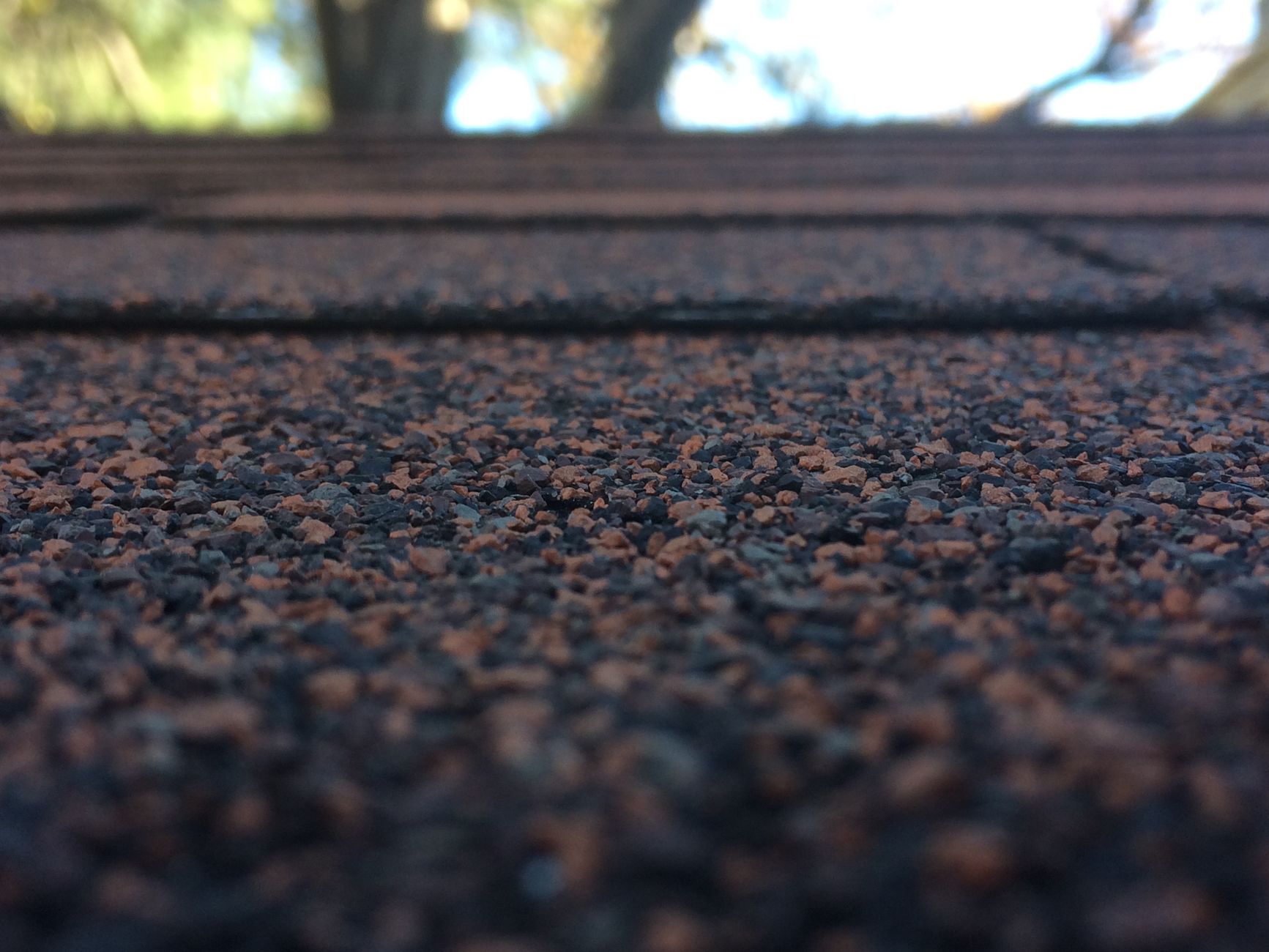
Why October, and why here
Of the 7,929 parcels in this market with a known build year, more than 5,800 were built before 1980. The median build year in the parcel record is 1967. That does not mean those homes still carry a 1967 roof — most have been reshingled once or twice — but it does mean many are carrying a roof installed by someone other than the original builder, on a deck and flashing system that may itself be decades old. Add the oak and redwood canopy that covers a large part of the hillside lots, and you have a market where fall roof attention is not routine maintenance theater. It is practical.
Northern California's dry season ends in October. A roof that has a slow problem in September becomes a wet-ceiling problem in November. A ground-level look now, while days are dry, costs nothing.
Los Gatos's homes, from the record
| Built | Homes |
|---|---|
| before 1940 | 968 |
| 1940-1959 | 1,587 |
| 1960-1979 | 3,275 |
| 1980-1999 | 1,154 |
| 2000 or later | 945 |
| Single-family homes | 6,224 |
|---|---|
| Median lot | 10,878 sq ft |
| On an acre or more | 1,220 |
| Median size | 2,256 sq ft |
7,929 of 8,339 parcels in this market's record have a known build year.
What you can see from the ground
You do not need to climb anything. A decent pair of binoculars and a lap around the house will show you most of what matters.
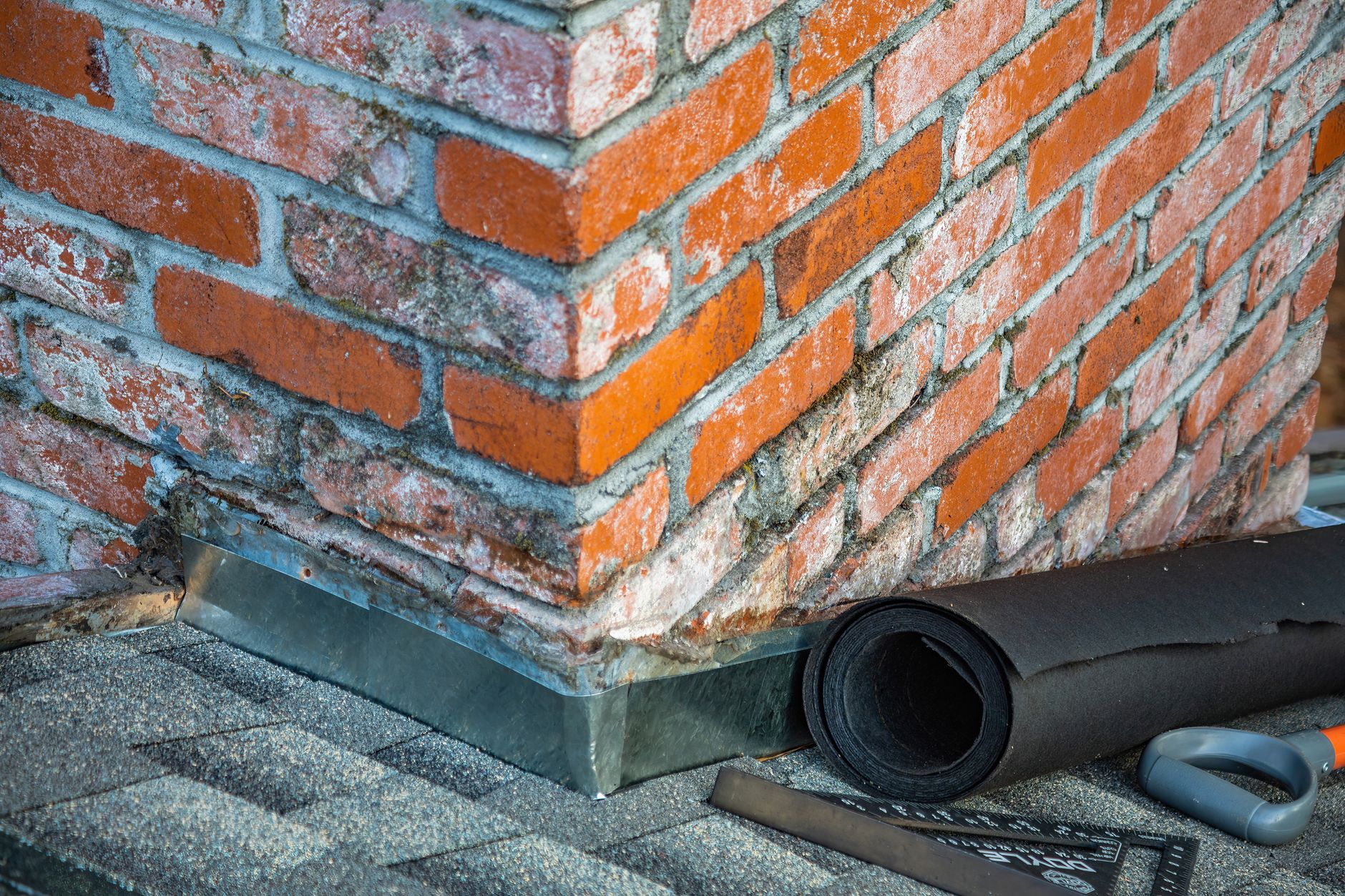
Shingle condition on the slopes. Look for cupping (edges turned up), curling (tabs turned down at the corners), or any obvious bare patches where granules have worn off. On older three-tab asphalt roofs — common on the 1960s ranch-style houses that make up a large share of the flat-lot stock in the 95030 and 95032 ZIP codes — you may also see individual tabs that have cracked along the score lines. A few cracked tabs are a note to watch; a slope full of them is a conversation with a licensed roofer.
Valleys. The V-shaped channels where two roof planes meet shed more water per square foot than any flat run of shingles. From the ground, look for dark staining along the valley line, which can indicate standing water, or for shingles that appear to be lifting at the edges where they meet the valley metal. On homes with steep pitches — more common on the pre-1940 Victorians and Craftsmans closer to downtown — valleys are numerous and worth a careful look.
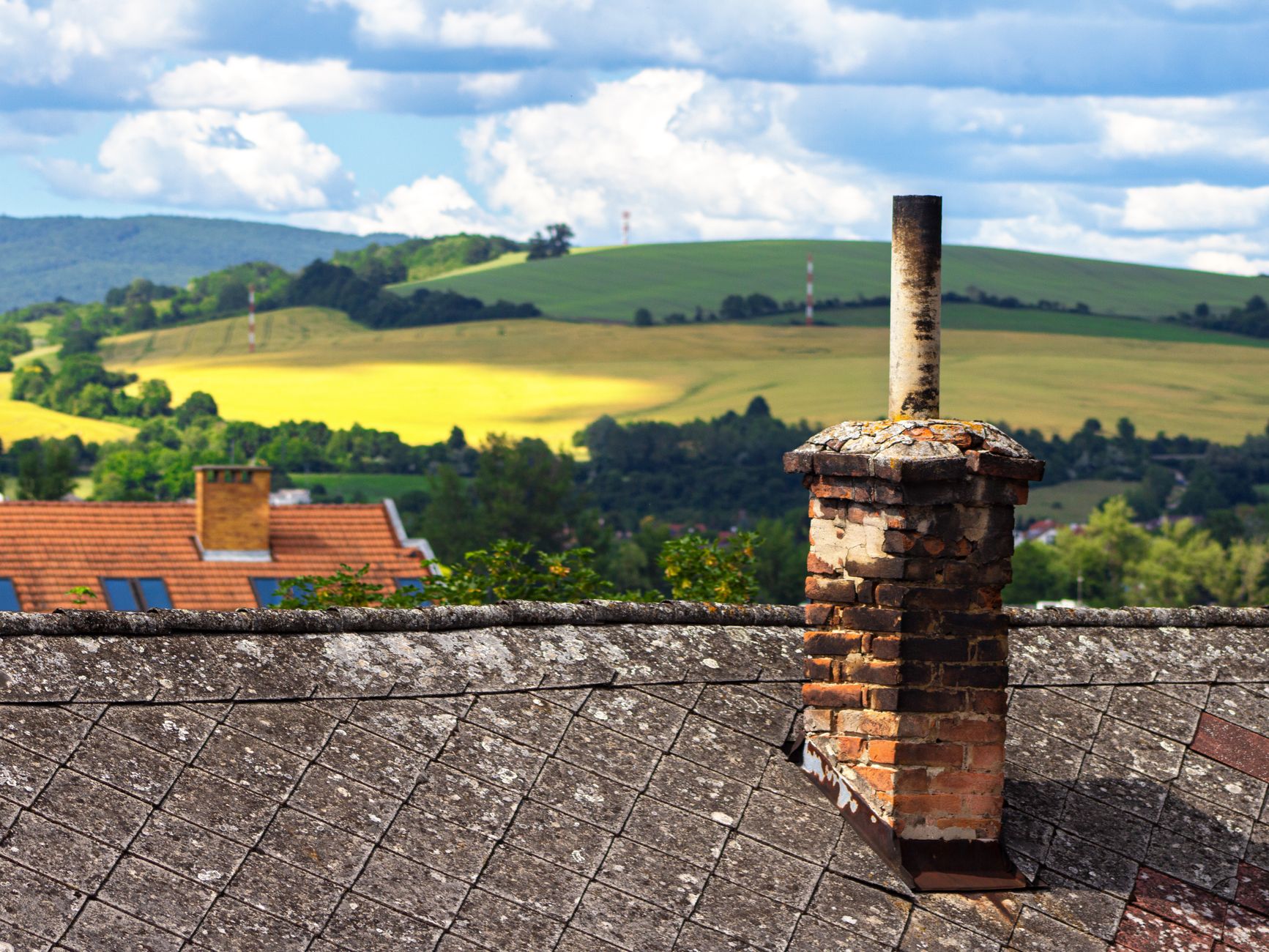
Flashing. Flashing is the sheet metal that seals roof-to-wall transitions: where a chimney meets the slope, where a dormer wall drops to the main roof, where a skylight sits in the field. This is where most slow leaks begin. From below, look for obvious rust streaks running down the roof surface below a chimney, or for a gap where the metal appears to have pulled away from the wall. You usually cannot see the caulk or sealant from the ground, which is one reason a roofer's close look matters.
Penetrations. Every pipe boot, vent cap, and exhaust collar that punches through the roof surface is a potential entry point. The rubber boots around plumbing vents — standard on homes from the 1970s and 1980s — degrade in UV light over roughly ten to fifteen years. From the ground, a cracked or collapsed boot sometimes looks like a dark ring around the pipe. If you can see a pipe stack clearly, look at its base.
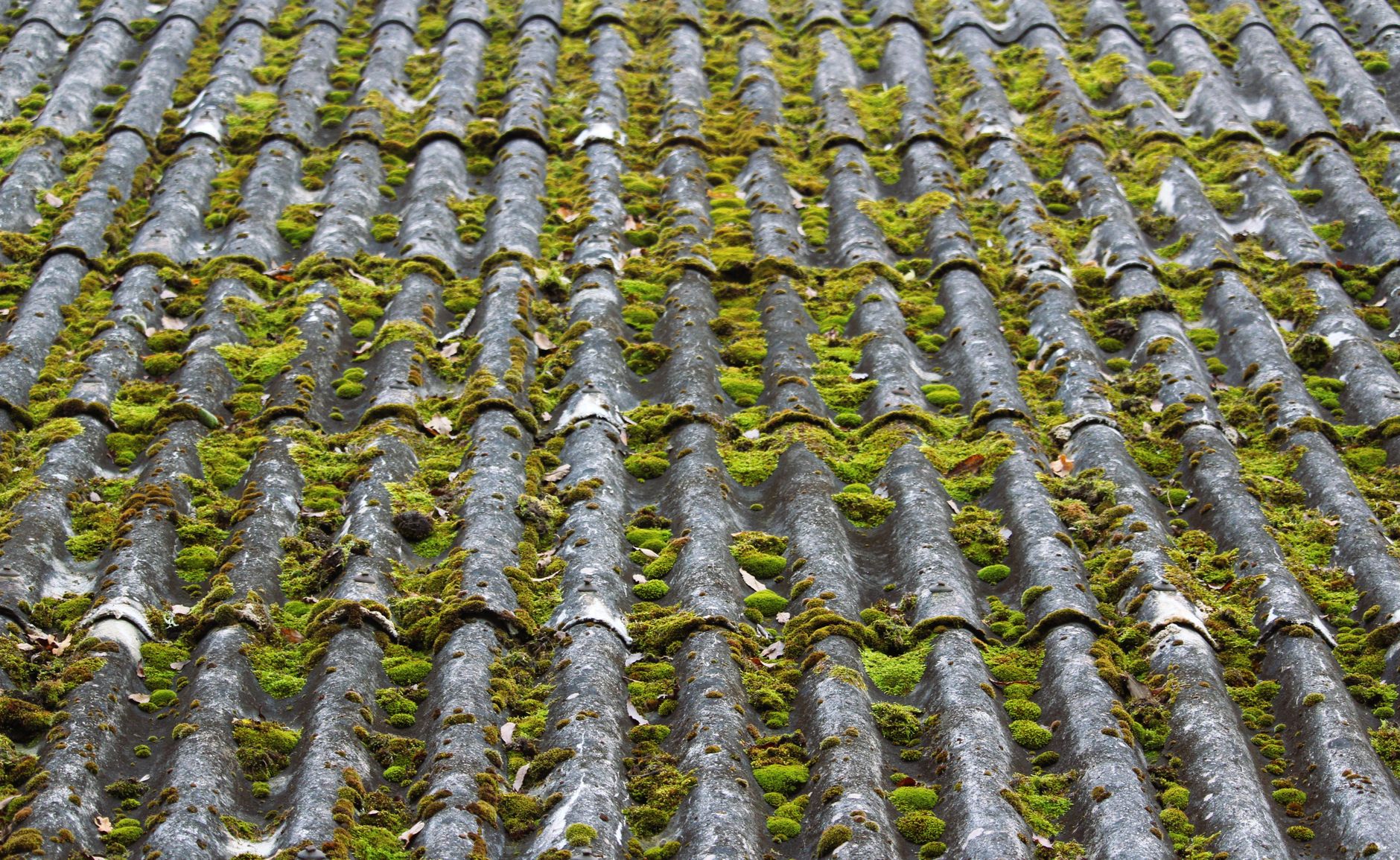
Moss and algae. The tree canopy in the hillside portions of Los Gatos, particularly on north-facing slopes that stay damp, creates good conditions for moss. Moss is not merely cosmetic. Its root structure lifts shingle tabs and retains moisture against the roof deck. Green or dark streaking on a shaded slope is worth noting. Heavy moss mats that you can see clearly from the ground indicate the condition has been developing for a while.
The flat-roof and low-slope cases
Some of the mid-century modern and contemporary homes on larger lots — the 1,220 single-family parcels on an acre or more tend to include a number of architect-designed houses with low-slope roofs — use built-up membrane or TPO systems rather than shingles. From the ground you will see almost nothing useful on these. A membrane roof's vulnerabilities are at the seams and drains, neither of which is visible without getting on the roof. If your home has a low-slope roof, this is a job for an inspector or roofer, not a binoculars check.
When to stop looking and make a call
Ground-level observation tells you whether something probably warrants professional attention. It does not tell you the scope of a problem or whether decking is compromised. Call a licensed roofing contractor if you see any of the following:
- Missing shingles or obvious open areas
- Flashing that has visibly separated from a wall or chimney
- Moss mats covering a meaningful portion of a slope
- Any interior ceiling stain, no matter how small, that appeared after a rain
- A roof you know has not been evaluated in more than five years and cannot date
A licensed contractor can walk the surface, check the attic for staining and daylight, and give you a condition assessment. For anything involving permit work — re-roofing triggers a Town of Los Gatos building permit — the building department determines what is required.
Tim McMullen · CA DRE #02016832
[email protected] · (415) 691-9272
More from Los Gatos
Four Los Gatos homes listed the same morning — $2.3 million apart
No pending sales, no recorded closings — just four new single-family listings that appeared on the MLS feed on October 16, ranging from $1,199,000 on Betty Ann Court to $3,480,000 on Marchmont Drive.
Betty Ann Court is back at $1,199,000 — but five nearby sales tell a different story
A 1,541-square-foot single-family home in Los Gatos sold for $990,000 in December 2024 and is now listed at $1,199,000 — a $209,000 spread in 22 months. Five nearby single-family sales in the past year tell a more complicated story.
Four Los Gatos homes listed Thursday — from $2.19M to $4.2M, none pending
Four single-family homes appeared on the MLS feed on October 17. Nothing went pending and nothing closed.